Introduction
For years, energy storage batteries were simply regarded as passive power backup devices for homes and businesses. Users only cared about basic functions: whether the battery can store power, sustain outages, and work stably. However, in 2026, the energy storage industry has ushered in a user-centric transformation. Artificial intelligence is no longer a marketing gimmick for battery products, but a practical core technology that completely changes end-user experience, solves traditional pain points, and creates tangible economic value. From residential households to commercial and industrial (C&I) facilities, AI-powered smart battery energy storage systems (BESS) are rewriting people’s cognition of energy storage.
Traditional Energy Storage Pain Points: Why Users Need Smart Upgrades
Before the popularization of intelligent technologies, most conventional energy storage devices operated in a fixed and rigid mode, bringing many unsatisfactory experiences to end users. For household users, the biggest troubles include unreasonable energy scheduling, wasted solar power generation, and failure to adapt to peak and valley electricity price changes automatically. Many users manually adjust battery charging and discharging rules, which is time-consuming and unable to cope with seasonal power consumption changes and sudden grid fluctuations.
For commercial and industrial users, the pain points are more concentrated. Traditional BESS cannot accurately predict power consumption demands, resulting in insufficient peak shaving effect and failure to maximize electricity cost savings. In addition, manual operation and regular manual fault inspection lead to high operation and maintenance costs, and minor battery abnormalities are easily overlooked, which may trigger equipment failures and affect continuous business operation.
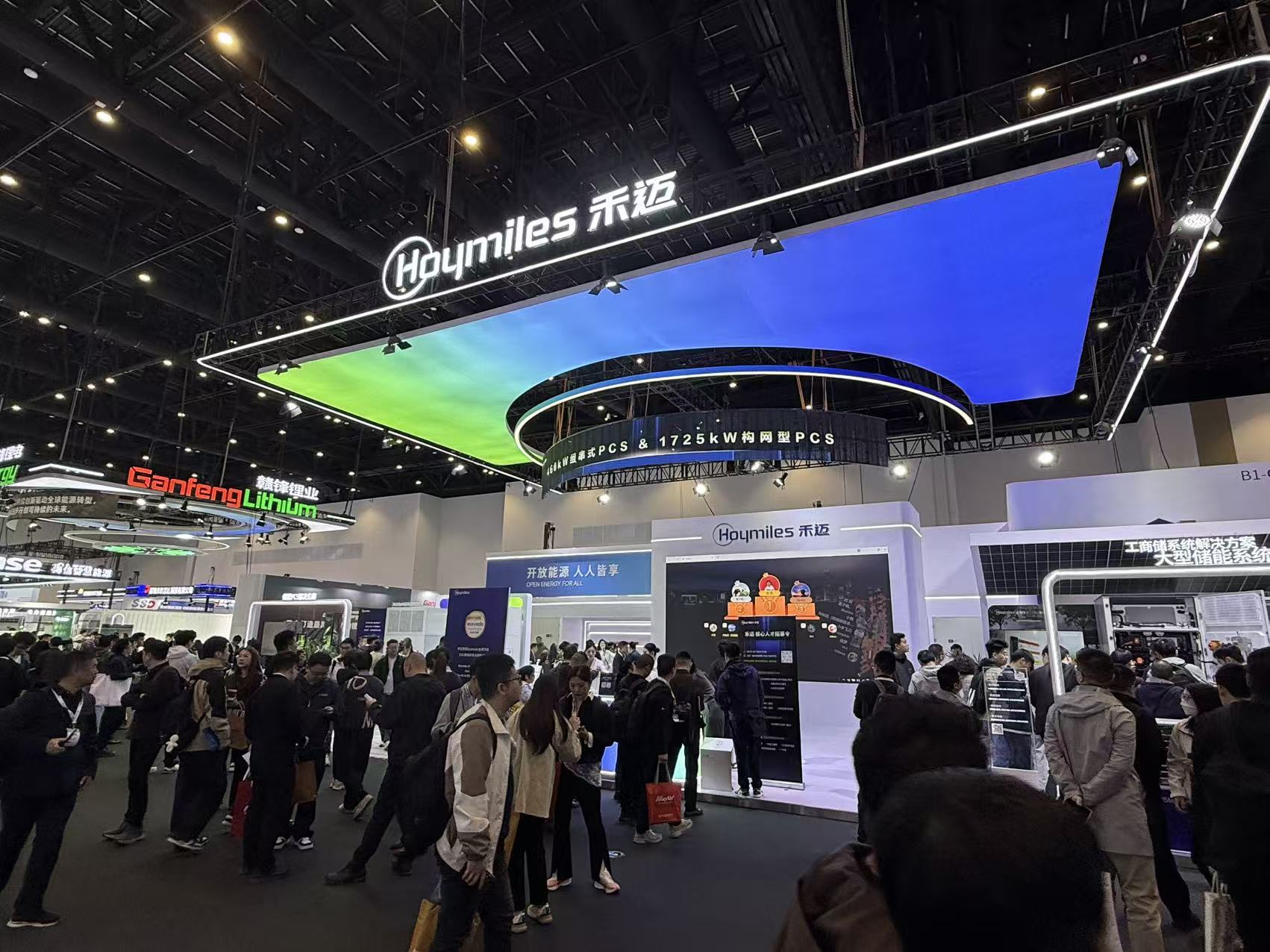
These user pain points have become the core driving force for the industry’s technological iteration. As highlighted at the 2026 Energy Storage International Exhibition (ESIE), the biggest trend of energy storage development this year is shifting from hardware parameter competition to user experience and intelligent operation competition.
AI-Driven Smart Storage: Core Upgrades That Benefit End Users
The new generation of AI-powered energy storage systems realizes full-scene intelligent iteration through algorithm optimization, big data analysis and automatic scenario adaptation, bringing subversive experience upgrades for both household and C&I users.
First, automatic energy scheduling based on user habits and environment. The AI energy management system (AI-EMS) can continuously learn users’ daily power consumption rules, combine real-time weather forecasts, solar power generation data and local electricity price policies, and independently formulate the optimal charging and discharging strategy. For home users, the system will store excess solar energy during the day, discharge power during peak electricity price periods to reduce electricity bills, and reserve sufficient power for night use or sudden power outages, completely eliminating manual operation.
Second, accurate fault early warning and full lifecycle safety protection. Different from traditional BESS that only supports simple data display, the intelligent system realizes real-time monitoring of battery cell temperature, voltage, cycle status and operating load. It can automatically identify potential risks such as overheating, inconsistent cell performance and line abnormalities, and send early warnings to users in advance. This intelligent protection mechanism greatly reduces battery failure rates and improves the overall safety and service life of energy storage equipment, solving users’ biggest safety concerns.
Third, adaptive scenario switching for diversified needs. Modern smart batteries can automatically switch operating modes according to application scenarios, including grid-connected peak shaving, off-grid emergency backup, microgrid operation and grid service response. For small and medium-sized enterprises, the system can not only reduce peak electricity costs, but also actively participate in grid demand response to obtain additional income, realizing dual value of cost reduction and profit increase.
Real User Feedback: Practical Value of Smart Energy Storage
Market application data and user feedback in 2026 fully verify the practical value of AI energy storage technology. For residential users, intelligent scheduling optimization can reduce household electricity expenses by 30%-50% annually, while ensuring stable power supply for daily lighting, home appliances and smart devices. For families with rooftop solar systems, the power utilization rate of photovoltaic power generation is increased by more than 40%, avoiding a large amount of clean energy waste.
For C&I users, intelligent operation greatly reduces manual maintenance costs. The automated scenario modeling and intelligent optimization function enable enterprises to accurately match energy storage strategies with production schedules, effectively avoiding high electricity costs during peak power consumption periods. At the same time, the remote real-time monitoring function allows operation teams to grasp equipment status anytime and anywhere, reducing downtime losses caused by equipment faults.
Future Trends: User Experience Will Define Next-Gen Energy Storage Products
Industry experts pointed out at ESIE 2026 that the energy storage industry has bid farewell to the era of blind capacity expansion and parameter stacking. In the next 3-5 years, product competitiveness will focus on user scenario adaptation, intelligent algorithm optimization and low-cost operation.
More advanced AI algorithms will further realize personalized customization for different users, regions and power consumption scenarios. Household energy storage will be more intelligent and lightweight, suitable for diversified living scenarios such as urban apartments and rural self-built houses; commercial energy storage will develop towards modularization and high intelligence, adapting to the flexible power consumption needs of factories, shopping malls and data centers.
Ultimately, the core value of energy storage batteries is to solve users’ power consumption pain points, bring safe, stable, economical and convenient power guarantee, and let clean energy serve every family and enterprise more efficiently.
AI-Powered Energy Storage: How Smart BESS Transforms User Experience and Energy Savings 2026
Discover how AI-driven smart battery energy storage systems upgrade residential & C&I user experience, solve traditional pain points, optimize energy scheduling, and reduce electricity costs in 2026.